As more families explore alternatives to assisted living facilities and nursing homes, home health care has become an increasingly popular solution. Aging at home allows seniors to remain in a familiar environment while maintaining their independence, routines, and quality of life. However, successful aging at home requires more than simply staying in the house where someone has lived for years. It requires a thoughtful support system designed to address both medical and personal needs.
Whether you are caring for an aging parent, spouse, or other loved one, understanding the essential components of home health care can help ensure their safety, comfort, and well-being. Here are the five essentials every family should consider when creating a plan for aging at home.
1. Private Nursing Care
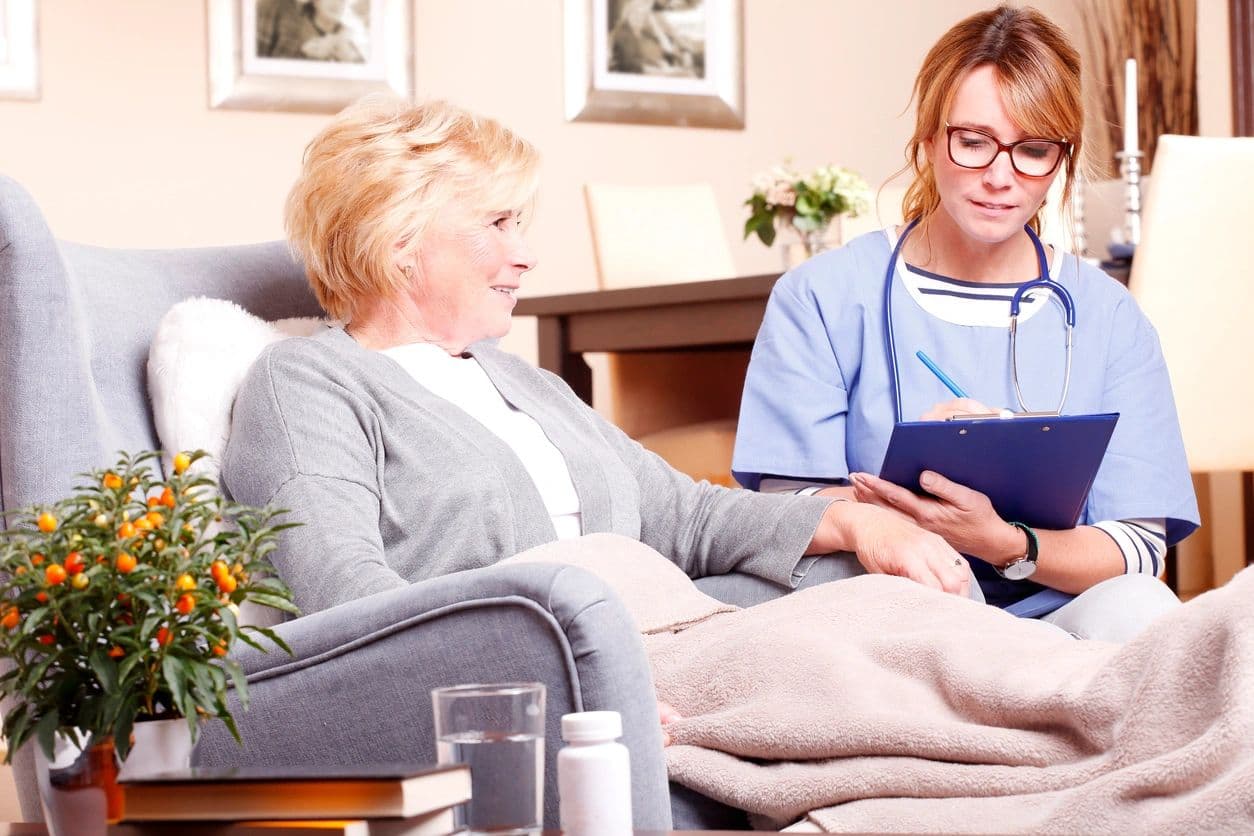
One of the most important elements of home health care is access to professional medical support. A private nurse can provide personalized care tailored to an individual's health conditions, medications, and overall wellness goals.
Private nurses can assist with:
- Monitoring vital signs and health conditions
- Managing chronic illnesses such as diabetes, heart disease, or hypertension
- Administering medications and treatments
- Coordinating with physicians and other healthcare providers
- Identifying potential health concerns before they become serious issues
Having a dedicated healthcare professional at home not only improves health outcomes but also provides families with confidence that their loved one is receiving consistent and attentive care.
2. Medication Management
Medication errors are a common concern among older adults. Many seniors take multiple prescriptions, making it difficult to remember schedules, dosages, and instructions.
Proper medication management helps ensure that medications are taken correctly and on time. This can reduce the risk of complications, hospitalizations, and adverse drug interactions.
A home health care professional can assist by:
- Organizing medications
- Creating medication schedules
- Monitoring side effects
- Communicating with physicians regarding medication concerns
- Ensuring compliance with prescribed treatment plans
Effective medication management plays a critical role in maintaining long-term health and preventing avoidable medical emergencies.
3. Assistance with Daily Activities
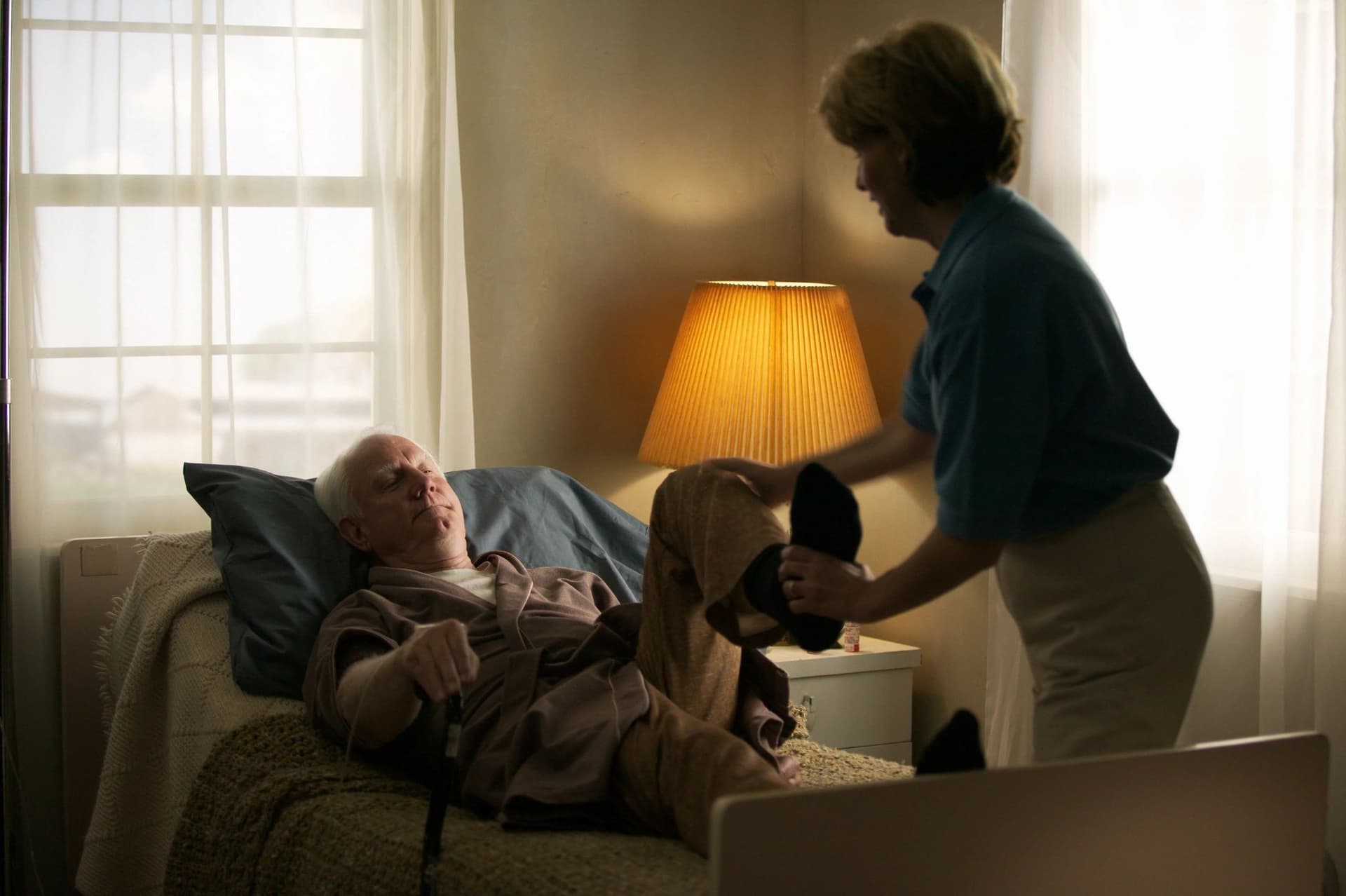
As individuals age, tasks that were once simple can become challenging. Activities such as bathing, dressing, grooming, meal preparation, and mobility may require additional support.
Personal care assistance helps seniors maintain their dignity while ensuring they can continue living safely and comfortably at home.
Support may include:
- Bathing and hygiene assistance
- Dressing and grooming
- Meal planning and preparation
- Light housekeeping
- Mobility and transfer assistance
This type of care allows seniors to remain independent while receiving the help they need with daily routines.
4. Home Safety and Fall Prevention
Falls remain one of the leading causes of injury among older adults. Even minor accidents can result in significant health complications and lengthy recovery periods.
Creating a safe home environment is essential for reducing risks and promoting confidence.
Important safety measures include:
- Removing tripping hazards
- Installing grab bars and handrails
- Improving lighting throughout the home
- Ensuring safe bathroom access
- Monitoring mobility and balance concerns
Home health professionals can conduct safety assessments and recommend modifications that help prevent accidents before they occur.
5. Companionship and Emotional Well-Being
Physical health is only one part of overall wellness. Emotional and social well-being are equally important, especially for seniors who may spend much of their time alone.
Loneliness and social isolation can negatively impact both mental and physical health. Regular companionship provides meaningful interaction and emotional support that can greatly improve quality of life.
Companionship services may include:
- Engaging in conversation
- Participating in hobbies and activities
- Accompanying seniors on walks or outings
- Providing emotional encouragement
- Helping maintain social connections with family and friends
A strong support system can help seniors feel valued, connected, and engaged in their daily lives.
Building a Comprehensive Home Care Plan
Each senior has unique needs, which is why home health care should never follow a one-size-fits-all approach. The most effective care plans combine medical support, personal assistance, safety measures, and emotional care to create a well-rounded solution.
By focusing on these five essentials—private nursing care, medication management, assistance with daily activities, home safety, and companionship—families can help their loved ones maintain independence while receiving the support necessary to thrive at home.
Choosing the right home health care provider is an important step toward ensuring peace of mind for both seniors and their families. With the right care team in place, aging at home can be a safe, comfortable, and fulfilling experience.