Caring for an aging parent or loved one is one of the most meaningful roles a family member can take on—but it can also be overwhelming. Many families aren’t sure when it’s the right time to bring in professional support. They may notice small changes but dismiss them as “normal aging.”
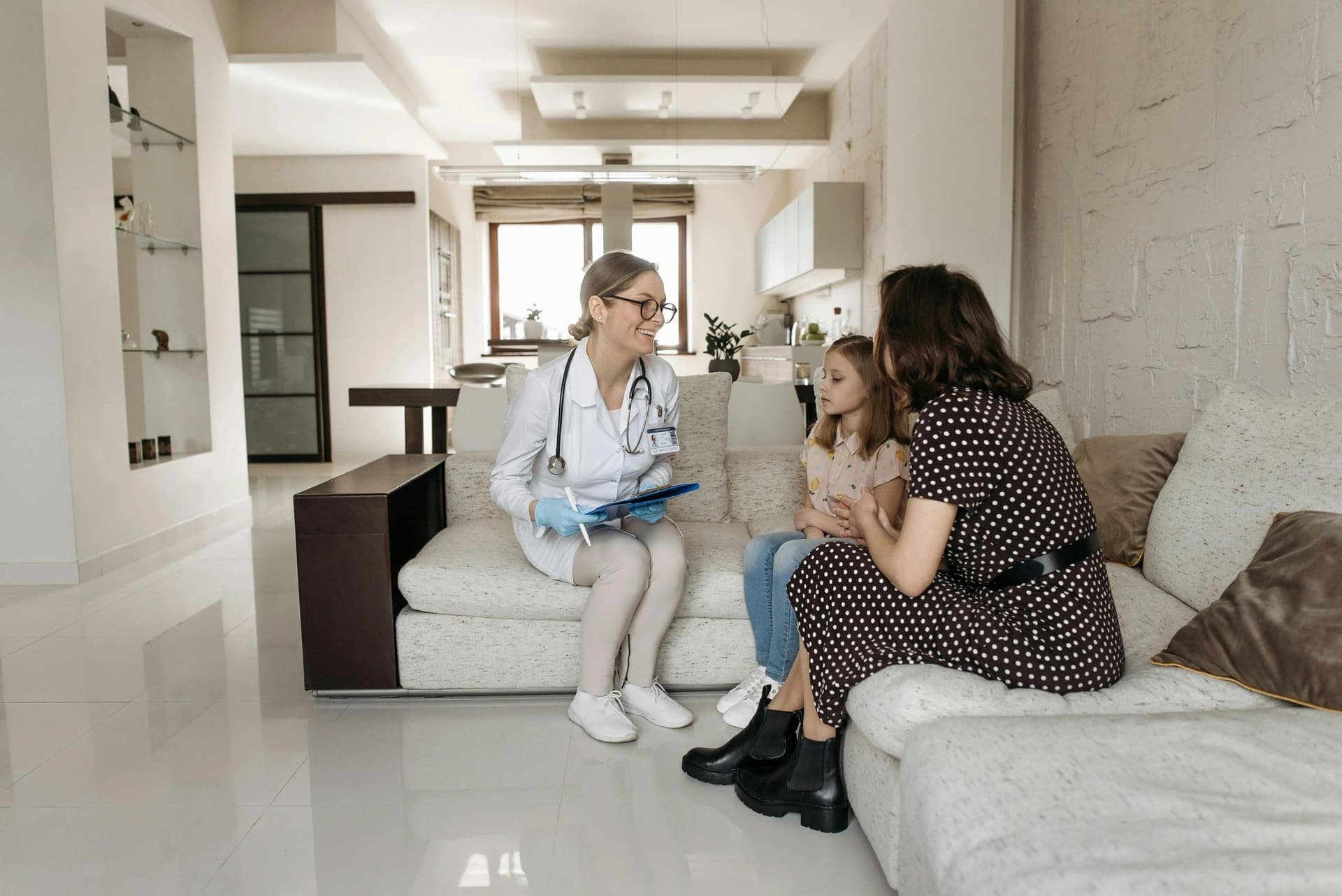
However, certain signs indicate that your loved one may benefit from home health care services, where skilled professionals provide medical and personal care right in the comfort of home.
Here are the key signs to watch for.
1. Frequent Falls or Balance Issues
One of the most common warning signs is an increase in falls, stumbling, or difficulty maintaining balance. Even minor falls can lead to serious injuries in older adults.
If you notice:
- Unsteady walking
- Holding onto furniture for support
- Fear of walking without assistance
- Recent unexplained bruises
…it may be time to consider home health care support such as physical therapy or in-home safety evaluations.
2. Difficulty Managing Medications
Medication mismanagement is a serious health risk. Many seniors take multiple prescriptions, and confusion can lead to missed doses or accidental overdoses.
Warning signs include:
- Missed or double doses
- Confusion about medication schedules
- Expired or disorganized pills
- Frequent medication-related side effects
A home health nurse can help organize medications, monitor adherence, and communicate with doctors as needed.
3. Decline in Personal Hygiene
Changes in grooming habits often signal that daily tasks are becoming too difficult.
Look for:
- Unwashed hair or body odor
- Wearing the same clothes repeatedly
- Neglected oral hygiene
- Reluctance to bathe due to mobility issues or fear of falling
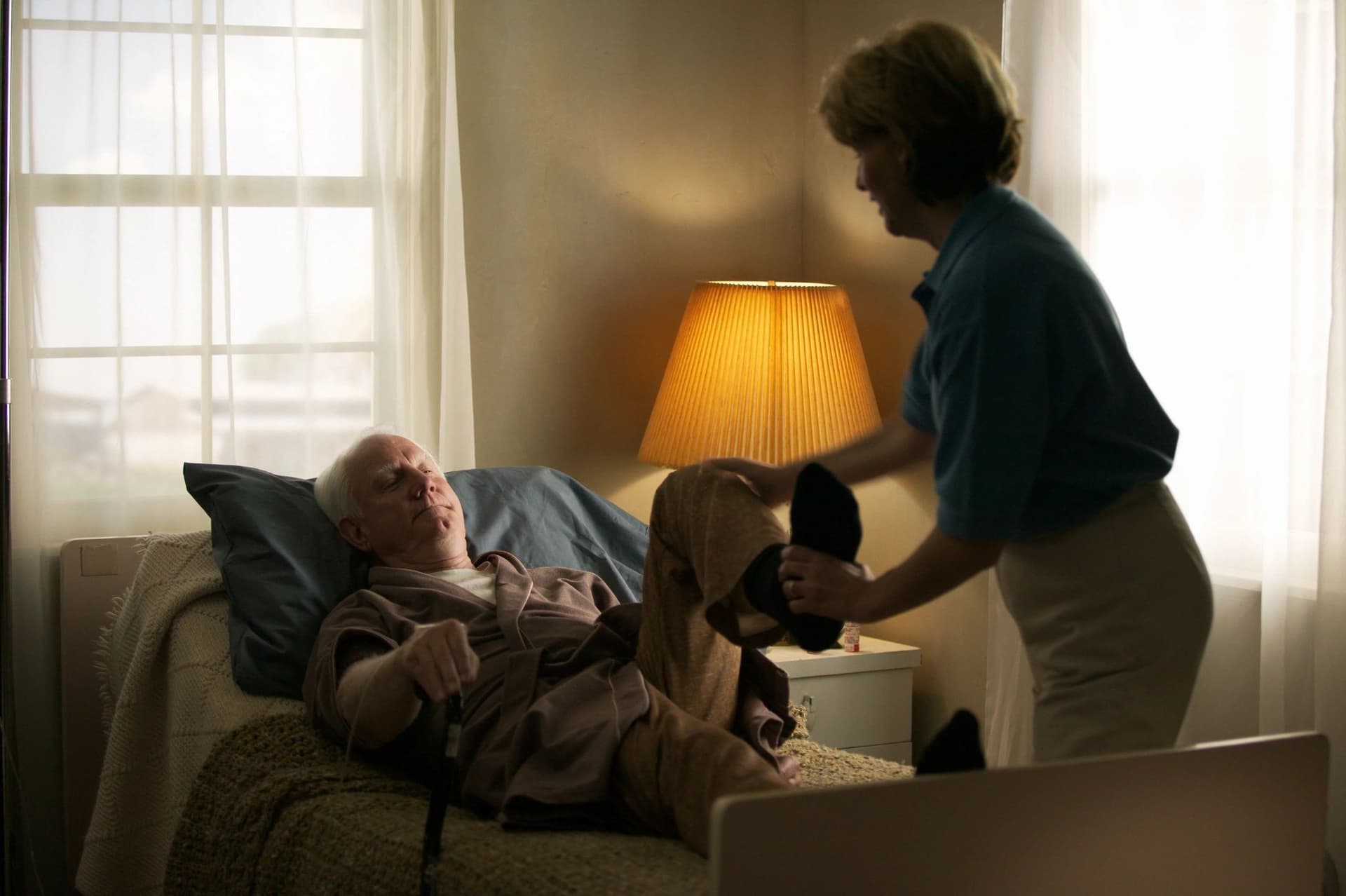
Home health aides can assist with personal care while preserving dignity and independence.
4. Noticeable Weight Loss or Poor Nutrition
If your loved one is eating less or struggling to prepare meals, it can quickly lead to health complications.
Signs include:
- Empty or expired food in the kitchen
- Sudden weight loss
- Lack of appetite or missed meals
- Difficulty cooking safely
Home health care can include meal planning support and monitoring nutritional health.
5. Increasing Confusion or Memory Problems
Memory lapses are common with aging, but worsening confusion may indicate a deeper issue such as dementia or medication side effects.
Watch for:
- Forgetting appointments or important events
- Repeating questions frequently
- Getting lost in familiar places
- Difficulty following conversations or instructions
Skilled caregivers can provide cognitive support and ensure safety at home.
6. Difficulty with Daily Activities
If everyday tasks are becoming challenging, it may be time for additional help.
This includes difficulty with:
- Bathing and dressing
- Cooking and cleaning
- Walking or transferring from bed to chair
- Managing household chores
Home health care helps seniors maintain independence while receiving necessary assistance.
7. Recent Hospitalization or Chronic Illness Management
After a hospital stay, patients often need extra care to recover safely at home. Similarly, chronic conditions require ongoing monitoring.
You may need home health care if your loved one has:
- Recently been discharged from the hospital
- Diabetes, heart disease, COPD, or other chronic conditions
- Frequent doctor visits or readmissions
- Ongoing wound care or medical treatment needs
Skilled nurses can help manage recovery and prevent complications.
8. Changes in Mood or Social Withdrawal
Emotional and mental health are just as important as physical health. Seniors who feel isolated or unwell may begin to withdraw.
Signs include:
- Loss of interest in hobbies
- Increased irritability or sadness
- Avoiding social interaction
- Sleeping more than usual
Compassionate caregivers can provide companionship and emotional support, reducing loneliness and improving quality of life.
When to Take Action
If you notice one or more of these signs, it doesn’t always mean immediate full-time care is needed—but it is a strong indicator that some level of support could greatly improve your loved one’s safety and well-being.
Home health care allows individuals to:
- Recover in the comfort of their home
- Maintain independence longer
- Receive personalized medical attention
- Reduce hospital visits and complications
+
Final Thoughts
Recognizing the signs early can make a significant difference in your loved one’s health and happiness. Home health care is not about taking away independence - it’s about enhancing it with the right support at the right time.
If you’re unsure whether it’s time to seek help, a consultation with a home health care provider can help you understand your options and create a care plan tailored to your family’s needs.
Love Thy Neighbor Home Health Care Inc. is committed to providing compassionate, professional, and reliable care—bringing skilled support and peace of mind right to your loved one’s home.