
The Future of Healing Begins at Home
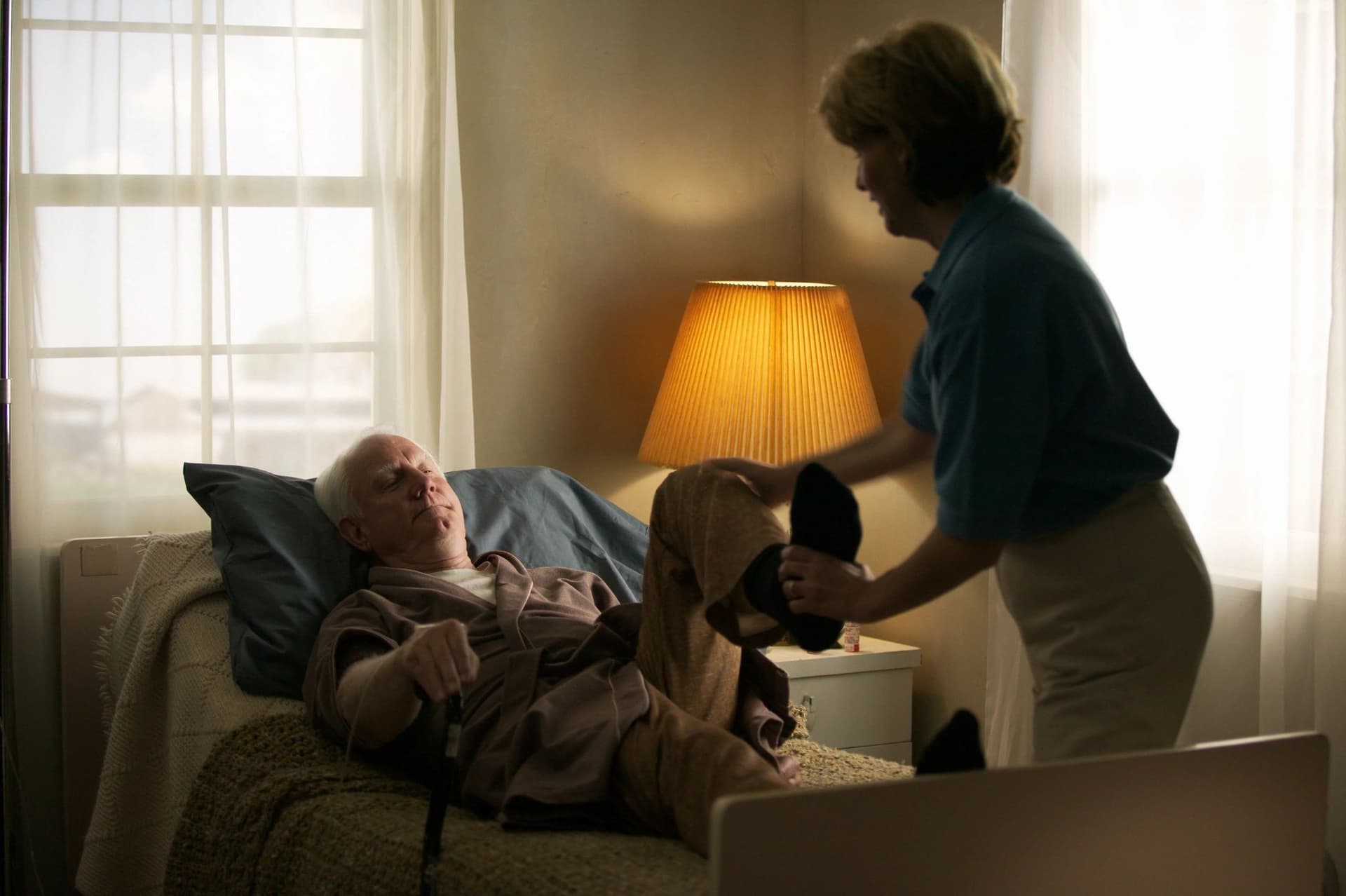
Imagine recovering from surgery, managing a chronic condition, or supporting an aging loved one—all without the stress of hospital visits or unfamiliar facilities. Home healthcare is rapidly becoming a cornerstone of modern wellness, offering a compassionate alternative that prioritizes comfort, dignity, and individualized attention. With more families seeking care that aligns with daily life, this shift isn’t just convenient—it’s transforming outcomes across urban, suburban, and rural communities alike.
Today’s home healthcare goes beyond basic assistance. It integrates skilled support with personalized care planning, ensuring every aspect of a patient’s routine—from medication schedules to mobility exercises—is tailored to their unique needs and living environment. This patient-first model reduces anxiety, minimizes infection risks, and often speeds recovery by keeping individuals in familiar, stress-free surroundings.
In this guide, you’ll learn how to identify quality care practices, recognize the signs that in-home support may be beneficial, and implement simple strategies to enhance safety and comfort at home. Whether you’re exploring options for yourself or a loved one, understanding the foundations of effective home healthcare is the first step toward a healthier, more empowered life—right where you feel most at ease.
Experience Better Outcomes in the Comfort of Home
Choosing home healthcare isn’t just about convenience—it’s a proven path to improved health outcomes, emotional well-being, and sustained independence. When patients receive care in their own environment, they often experience faster recovery times, better treatment adherence, and reduced risk of hospital-acquired infections. The familiar surroundings minimize stress and disorientation, which is especially beneficial for seniors and individuals managing chronic conditions like diabetes, heart failure, or COPD.
One of the most impactful advantages is the level of personalized attention possible in a home setting. Skilled professionals tailor interventions to fit daily routines, living layouts, and family dynamics—whether you're in Gainesville, Ocala, or a neighboring rural community. This patient-centered model supports consistent monitoring of vitals, medication management, and early detection of complications, leading to fewer emergency visits and hospital readmissions.
Family involvement also plays a vital role. Loved ones can actively participate in care planning, learn how to assist with therapy exercises, and provide emotional support that enhances motivation and mental health. Simple strategies like establishing a routine, modifying the home for safety, and maintaining open communication with caregivers can significantly improve long-term results.
Ultimately, compassionate care at home empowers individuals to heal on their terms—surrounded by comfort, familiarity, and the people who matter most.
Top 5 Essential Services Provided in Home Healthcare
When navigating recovery or managing ongoing health needs, understanding the core services available through home healthcare can make a meaningful difference in safety, comfort, and long-term outcomes. These evidence-based offerings are designed to meet diverse medical and personal needs, all within the familiar surroundings of home. Here are five essential services that form the foundation of comprehensive in-home support.
- Skilled Nursing Care
Registered and licensed practical nurses deliver clinical-level care for wound management, post-surgical monitoring, IV therapy, and chronic condition oversight like diabetes or heart failure. This service ensures professional medical attention without requiring facility stays. - Physical Therapy (PT)
Certified therapists guide patients through customized mobility and strength-building exercises tailored to home environments. PT improves balance, reduces fall risks, and accelerates recovery after surgery or injury. - Occupational Therapy (OT)
OT focuses on regaining independence in daily activities such as bathing, dressing, and meal preparation. Therapists assess the home for safety and recommend adaptive tools to support safe, confident living. - Speech-Language Pathology
For individuals recovering from stroke or living with neurological conditions, speech therapy enhances communication skills, cognitive function, and safe swallowing practices—all provided in the comfort of home. - Personal Care and Companionship
Trained caregivers assist with hygiene, mobility, light housekeeping, and meal support while offering vital emotional companionship. These services promote mental well-being and help prevent isolation, especially in suburban and rural households where community access may be limited.
How to Develop and Adapt Personalized Care Plans at Home
Creating a responsive, individualized care plan starts with a comprehensive assessment of the patient’s medical history, daily capabilities, and home environment. Begin by conducting an in-person evaluation to identify mobility limitations, medication management needs, and personal routines—factors especially critical in urban and suburban homes where layout and accessibility vary widely.
- Set Clear, Measurable Goals
Work with healthcare professionals to define objectives such as improving walking endurance, managing diabetes symptoms, or increasing independence in daily tasks. Break these into time-bound milestones to track progress effectively. - Customize Care Interventions
Align services—like skilled nursing, therapy visits, or personal care—with the patient’s lifestyle. For example, schedule therapy sessions during natural energy peaks and adapt meal plans to cultural preferences. - Incorporate Family Input
Engage family caregivers in planning to ensure consistency and emotional support, particularly important for seniors aging in place across communities like Gainesville or Ocala. - Review and Revise Regularly
Conduct formal assessments every 30 to 60 days or whenever health changes occur. Adjust visit frequency, therapy intensity, or safety modifications such as bathroom grab bars or emergency alert systems. - Maintain Open Communication
Foster ongoing dialogue between care teams, patients, and families to catch early warning signs and adapt quickly, ensuring the plan remains both compassionate and effective.
Addressing Common Concerns About Home Healthcare
Is home healthcare safe for seniors with complex medical needs?
Yes, home healthcare can be a safe and effective option for seniors requiring ongoing medical management. Trained professionals—including licensed nurses and therapists—follow evidence-based protocols to administer medications, manage wounds, and monitor chronic conditions like diabetes or heart failure. Safety assessments are conducted in the home to identify potential risks, and modifications such as grab bars or emergency alert systems can be recommended—especially important in older homes across Gainesville, Ocala, and surrounding neighborhoods.
How do I know if my loved one qualifies for services?
Eligibility often depends on a physician’s assessment and the need for skilled care, such as post-surgical recovery, therapy, or injection management. If daily tasks like bathing, dressing, or meal prep have become difficult, or if hospital visits are increasing, home healthcare may be appropriate. A care coordinator can perform a free in-home evaluation to determine the right level of support.
Are caregivers screened and certified?
Reputable providers require all staff to be licensed, bonded, and trained in CPR and infection control. Background checks, ongoing supervision, and regular performance reviews help ensure professionalism and reliability in every visit.
What happens during an emergency at night?
Many services offer 24/7 on-call support to address urgent situations. Care teams are equipped to respond quickly and coordinate with local emergency services when needed.
Will insurance cover the cost?
Medicare, Medicaid, and most private insurance plans cover skilled home healthcare when prescribed by a doctor and deemed medically necessary.
Can care be adjusted if conditions change?
Absolutely. Care plans are reviewed regularly and updated to reflect new health goals, diagnoses, or lifestyle needs—ensuring long-term effectiveness.
Moving Forward with Confidence in Home Care
As we’ve explored, compassionate care at home isn’t just a growing trend—it’s a sustainable, patient-centered approach that supports healing, independence, and emotional well-being. From personalized care plans to essential services like skilled nursing and therapy, home healthcare offers families a way to manage health challenges without sacrificing comfort or dignity. Whether you're in Gainesville, Ocala, or nearby communities, the ability to receive high-quality care in familiar surroundings makes a measurable difference in recovery and daily life.
Now is the time to take proactive steps. Begin by assessing your current living environment—look for opportunities to improve safety, simplify routines, and accommodate changing needs. Consider which services could make the biggest impact, whether it’s medication management, mobility support, or companionship. Look for providers who prioritize comprehensive evaluations, ongoing care coordination, and clear communication with families.
Remember, implementing home healthcare isn’t about making a single decision—it’s about creating a responsive, evolving plan that grows with you. The goal is long-term wellness, autonomy, and peace of mind, all within the place you call home. Start today by exploring your options and taking the next step toward a more supported, empowered future.